National Reconciliation Week 2026
#NRW2026

Scouts Australia proudly acknowledges the significance of Aboriginal and Torres Strait Islander cultures and heritage. National Reconciliation Week, held from 27 May to 3 June, is a time for Australians to reflect on key moments in our shared history, learn from each other, and continue the ongoing conversation about reconciliation. It’s an opportunity to reflect on our past, present, and future, as we work together toward building a just and equitable society. It’s also a chance to explore how each of us can actively contribute to reconciliation.
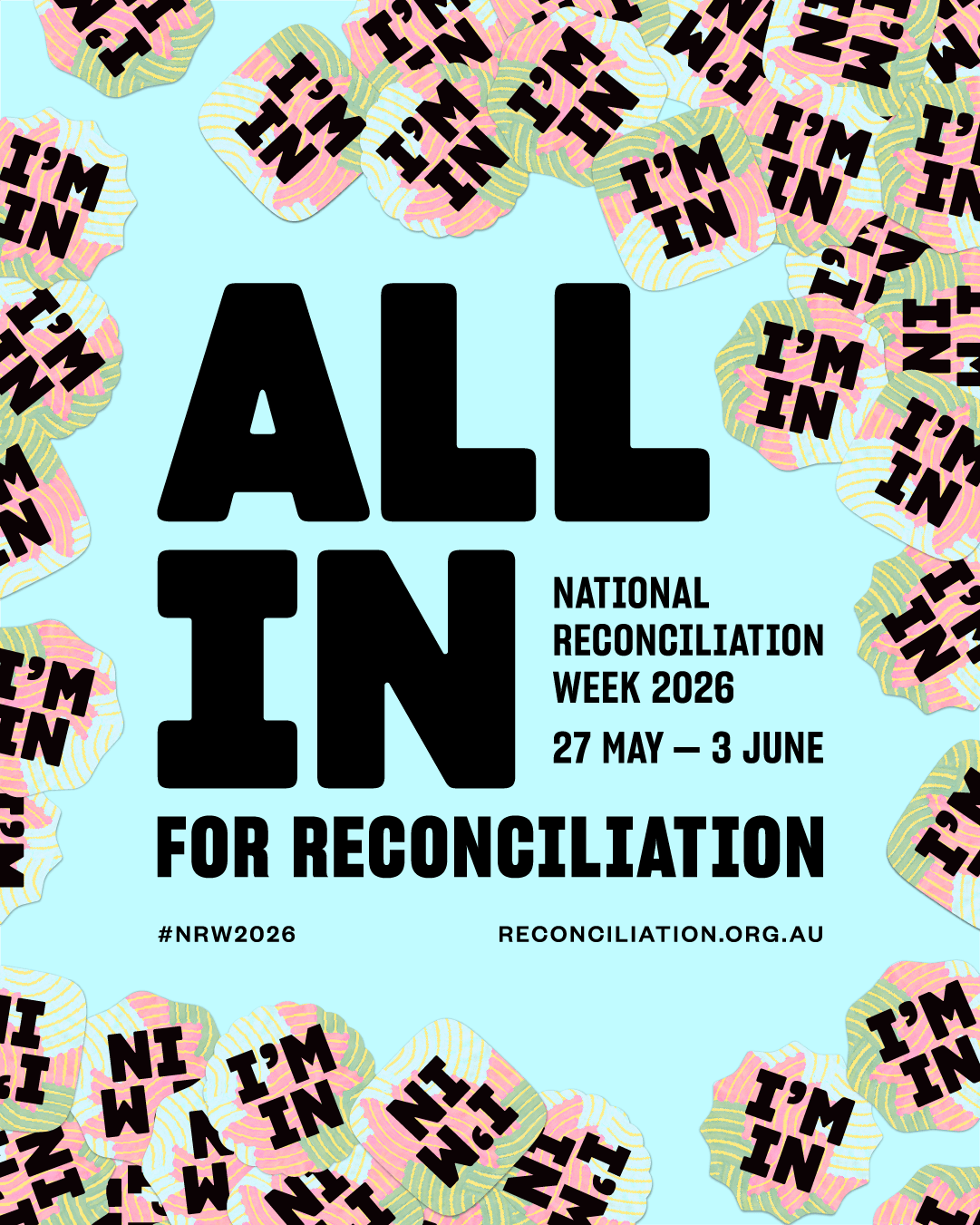
This year, the theme for #NRW2026 is “All In”, a call for all Australians to wholeheartedly commit to reconciliation every single day. It’s time to step up, take action, and make meaningful changes.
As part of this journey, we reflect on pivotal moments in Australia’s history, such as
- 26 May National Sorry Day – National Sorry Day remembers and acknowledges the mistreatment of Aboriginal and Torres Strait Islander people who were forcibly removed from their families and communities, which we now know as ‘The Stolen Generations’.
- 27 May Anniversary of the 1967 Referendum – On 27 May 1967, the Australian Government held a referendum in which more than 90 per cent of Australian voters voted ‘Yes’ to counting Aboriginal and Torres Strait Islander peoples in the census and giving the Australian Government the power to make laws for Aboriginal and Torres Strait Islander people.
- 3 June Mabo Day – It commemorates Mer Island man Eddie Koiki Mabo and his successful efforts to overturn the legal fiction of terra nullius, or ‘land belonging to no-one’.
Each of the above key dates, plays a significant role in shaping the ongoing reconciliation process.
Why is Reconciliation Important?
National Reconciliation Week plays a vital role in advancing a just, equitable, and reconciled Australia. The week was initially a Week of Prayer for Reconciliation in 1993 and has evolved into a nationwide movement supported by diverse sectors of the community. National Reconciliation Week provides an essential focus for working towards reconciliation, both within our communities and in our hearts.
2026 Reconciliation Week #NRW2026 Theme
The values of Scouts Australia align deeply with the #NRW2026 theme of “All In“. We believe in fostering inclusive, respectful environments, where everyone is valued for who they are, and where we learn from each other’s diverse cultures and histories. As Scouts, we are committed to service, and this theme encourages us to take active roles in advancing reconciliation, whether through participating in events, supporting Indigenous causes, or engaging in projects that promote equality.
Reconciliation isn’t just a policy – it’s a continuous process, and in Scouting, we are committed to making that journey alongside Aboriginal and Torres Strait Islander communities and as active participants in creating change.
Reconciliation Action Plan Working Group – Update
In 2025, Scouts Australia launched its first Reconciliation Action Plan (RAP). This marks a historic first step in Scouts Australia’s journey of reflection and action towards reconciliation. The RAP will guide our efforts to understand what reconciliation truly means and our role in it, fostering a more inclusive movement for young people across the country.
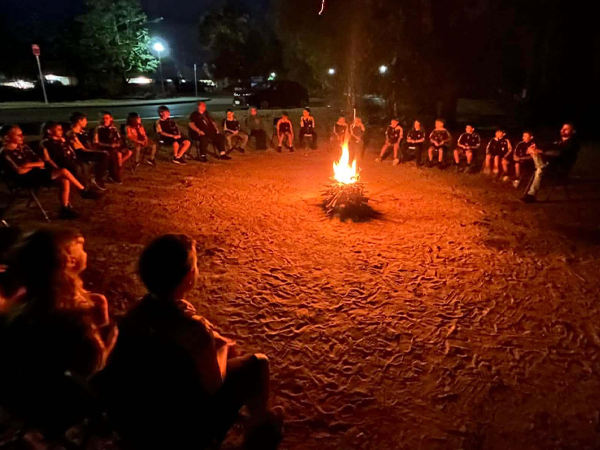
Scouts Australia is working towards forming a First Nations Advisory Group, to ensure Unit level members on the ground working with youth members and Scout Groups have a voice on a national level. The Advisory Group will feed directly to the Reconciliation Action Plan Working Group (RAPWG) through the Chair enabling direct influence into decision making processes.
With the guidance of the National Diversity and Inclusion team, Scouts Australia is committed to providing a safe and inclusive environment for all members.
How Can You Get Involved?
For the rest of the year, here are some ideas for Scouts Groups to incorporate reconciliation actions into their program:
- Display an Acknowledgement of Country at your hall, and include it in opening or closing parades.
- Show the Aboriginal and Torres Strait Islander flags in your hall (available for free from your Federal MP’s office).
- Research Aboriginal names for local landmarks such as mountains, rivers, or lakes.
- Incorporate Aboriginal history and placename research into your hiking or camp planning.
- Teach local Indigenous names for animals and plants.
- Purchase a map of Aboriginal Australia from the Australian Institute of Aboriginal and Torres Strait Islander Studies (AIATSIS) for your hall.
- Ensure key dates like NAIDOC Week, Sorry Day, and National Reconciliation Week are included in your planning.
- Invite Aboriginal elders and community members to participate in Scout events such as ARA presentations or regular meetings.
By incorporating these actions into your Scouting program, you contribute to a wider understanding of reconciliation and the importance of Aboriginal and Torres Strait Islander cultures.
Moving Forward
Reconciliation doesn’t only matter during National Reconciliation Week or on key dates like National Sorry Day and Mabo Day – it matters every single day. We must continually reflect on past wrongs, engage in ongoing learning, and act to support Aboriginal and Torres Strait Islander peoples.
Scouts Australia are committed to this lifelong journey. Whether through acknowledging the land we stand on, participating in significant events, or supporting Indigenous causes and rights, we must stay “All In” – united in action, respect, and understanding – as we work to build a more inclusive Australia for all.
Click below button to find out more on National Reconciliation Week and events around your area.